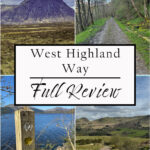
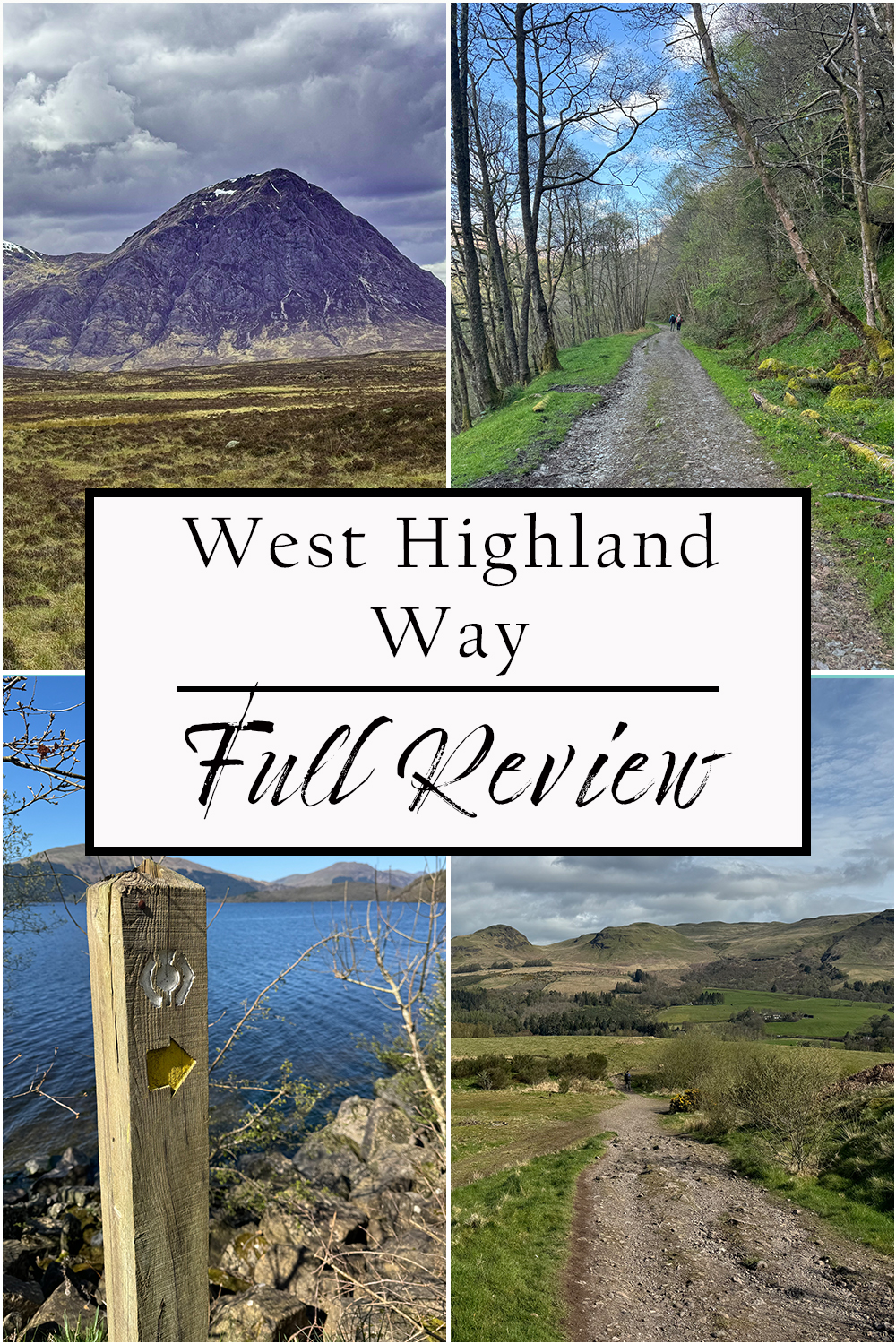
After nine unforgettable days traversing Scotland’s most iconic long-distance trail, I’m finally ready to share my complete thoughts and reflections on walking the West Highland Way. From the suburban streets of Milngavie to the foot of Ben Nevis in Fort William, this 96-mile journey delivered everything I’d hoped for—and challenged me in ways I hadn’t anticipated.
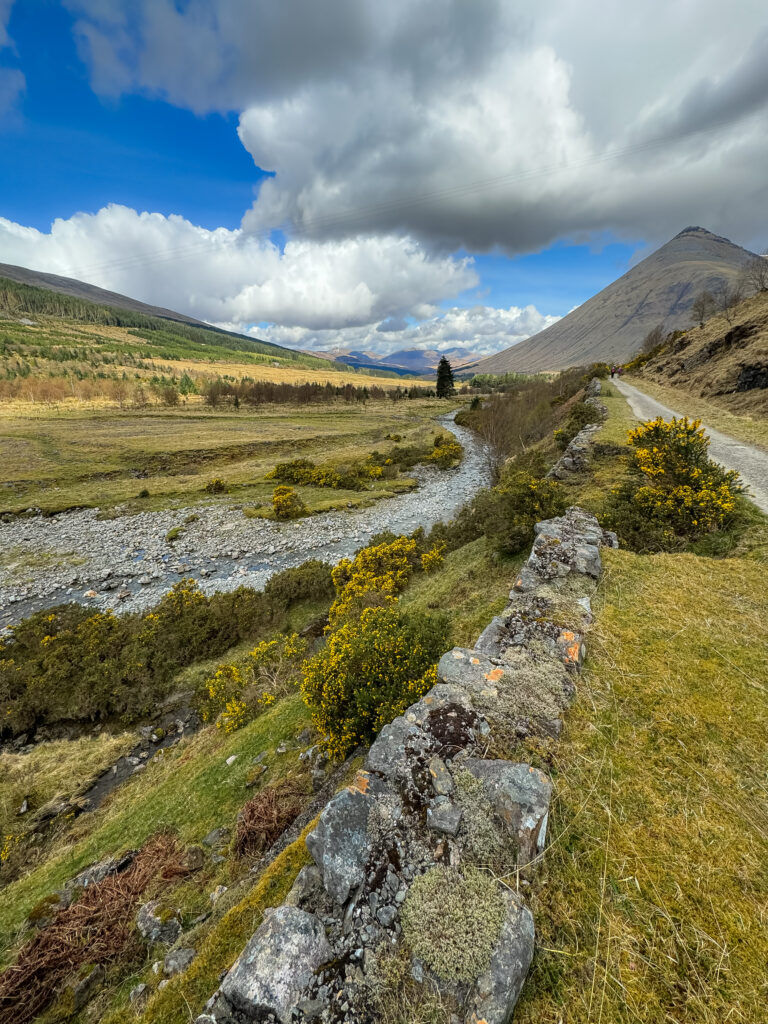
West Highland Way Quick Facts:
- Total Distance: 96 miles (154 km)
- Duration: 7-9 days (we took 9)
- Start: Milngavie (near Glasgow)
- Finish: Fort William
- Highest Point: Devil’s Staircase, 1,804 feet (550m)
- Difficulty: Moderate to Challenging
- Best Season: April-October
- Accommodation: Villages and hotels along the route; book in advance
The Route: A Trail of Contrasts
What makes the West Highland Way so special is its remarkable diversity. The trail doesn’t just show you one face of Scotland; it reveals layer after layer of this beautiful country’s character.
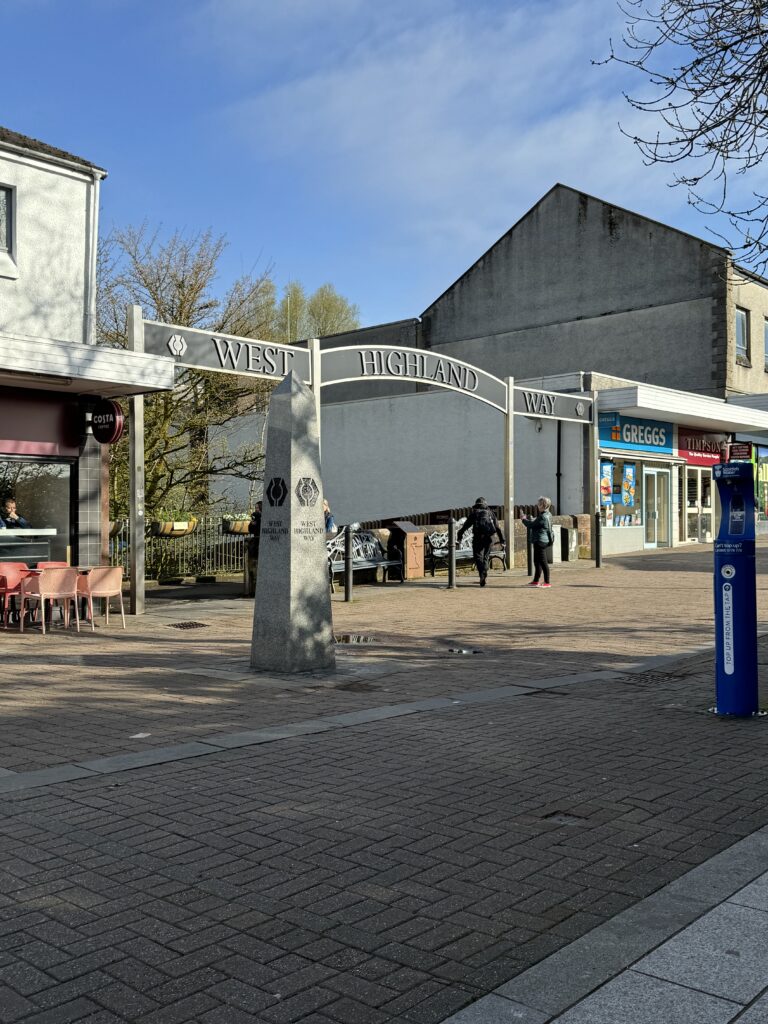
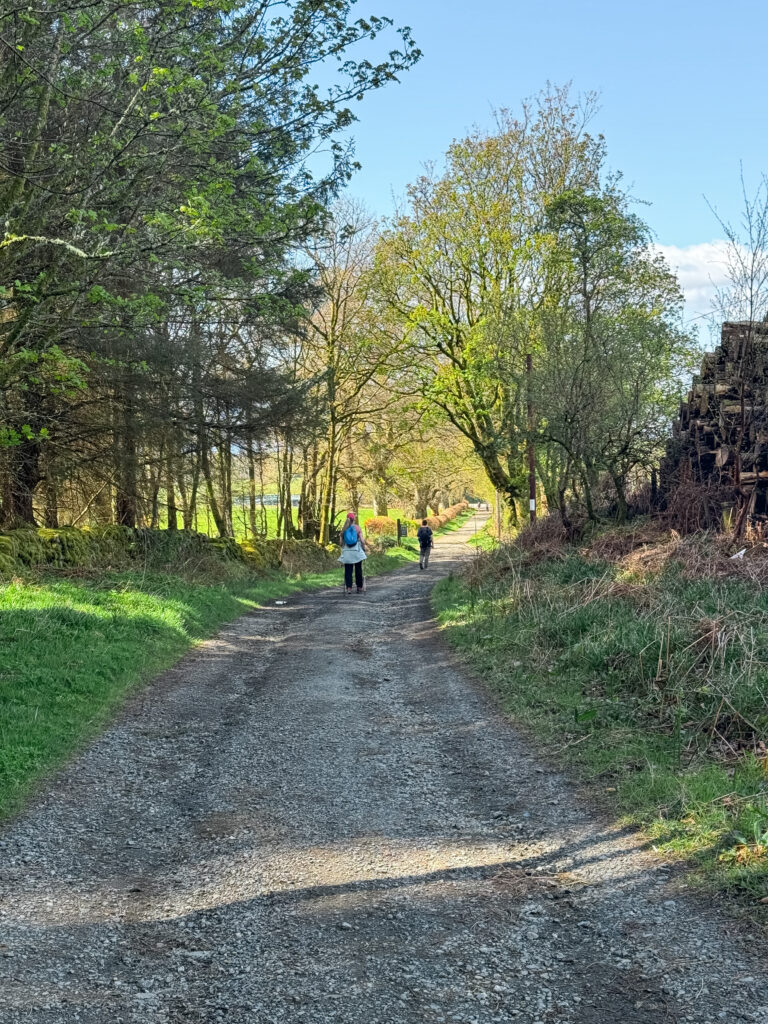
We began gently in Milngavie, just outside Glasgow, where well-maintained paths led us through woodlands and pastoral countryside. Those early miles from Milngavie to Drymen (12 miles) and onward to Balmaha (8 miles) were the perfect introduction—challenging enough to know we were hiking, but forgiving enough to build our trail legs gradually.
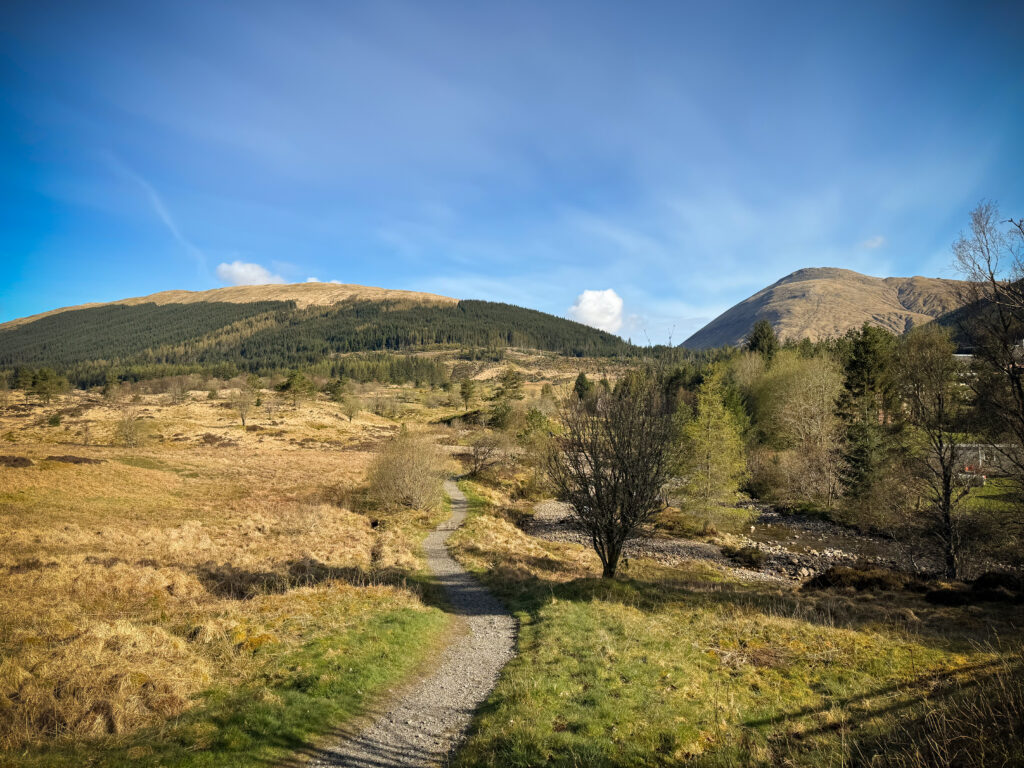
By Day 5, reaching Beinglas Farm after 13 miles from Tyndrum, we’d entered truly Highland territory. Day 6’s shorter 7-mile stretch to Inveroran gave us time to appreciate the transition, while Day 7’s 11-mile crossing of Rannoch Moor to Kingshouse showed us Scotland at its most wild and remote.
The final push—9 miles over the Devil’s Staircase to Kinlochleven on Day 8, then a grueling 15-mile finish to Fort William on Day 9—tested everything we had left to give.
Terrain: From Gentle to Grueling
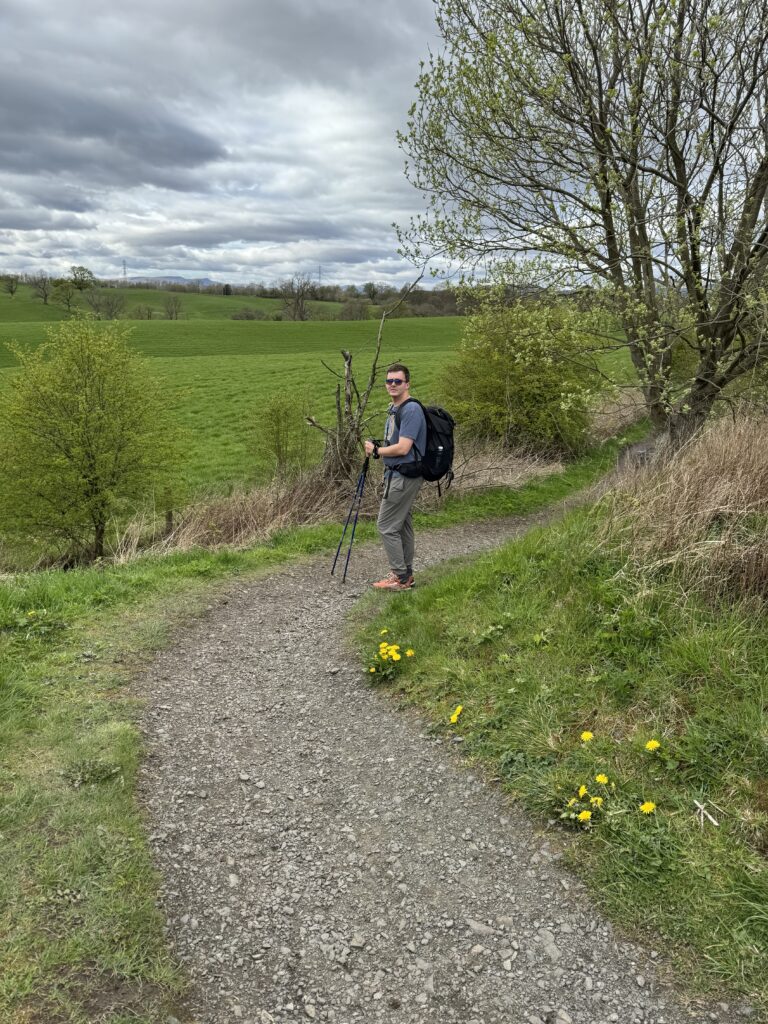
The West Highland Way’s reputation as a moderate trail is somewhat misleading. While it’s certainly accessible to fit hikers without technical climbing skills, “moderate” doesn’t tell the whole story.
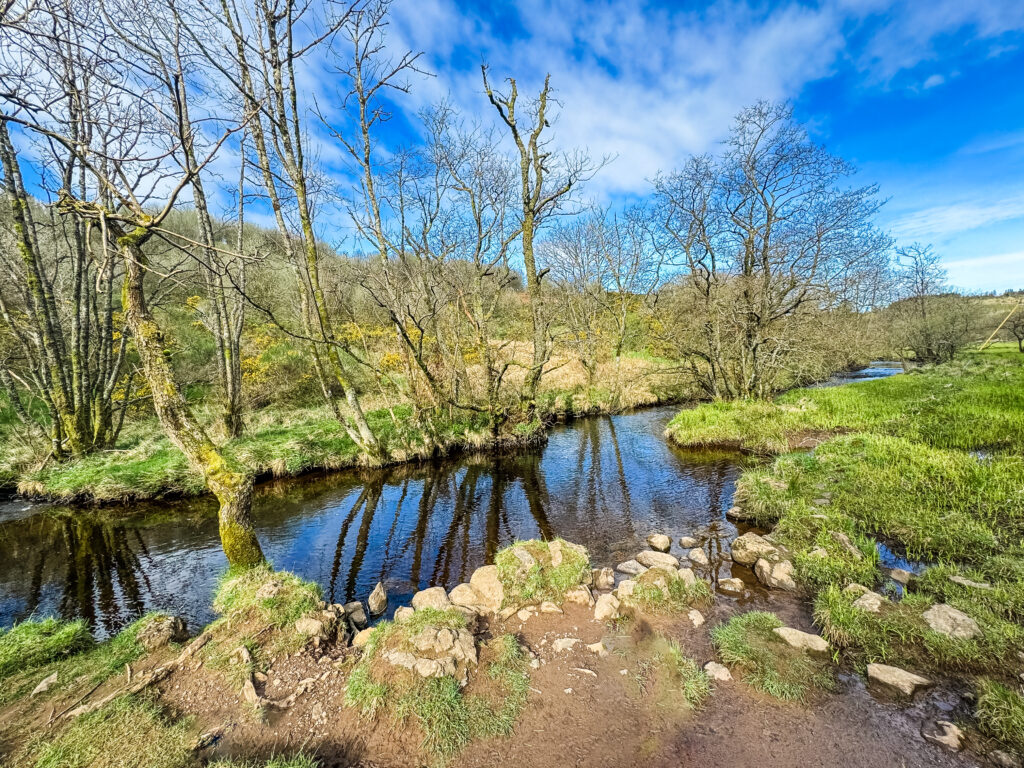
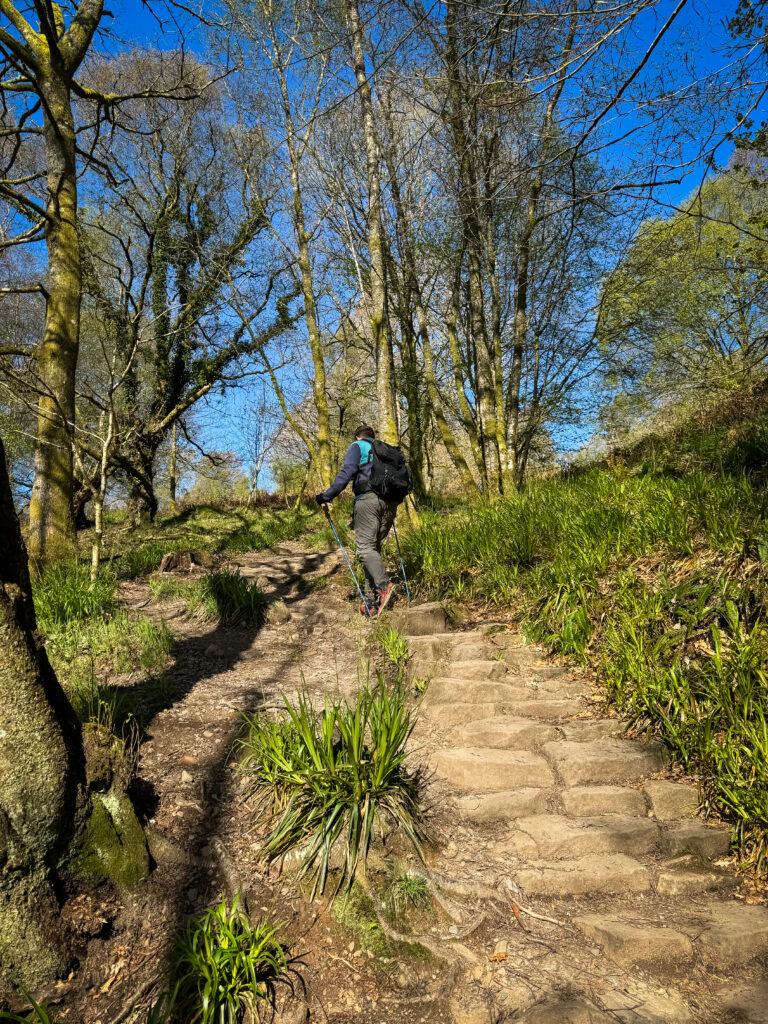
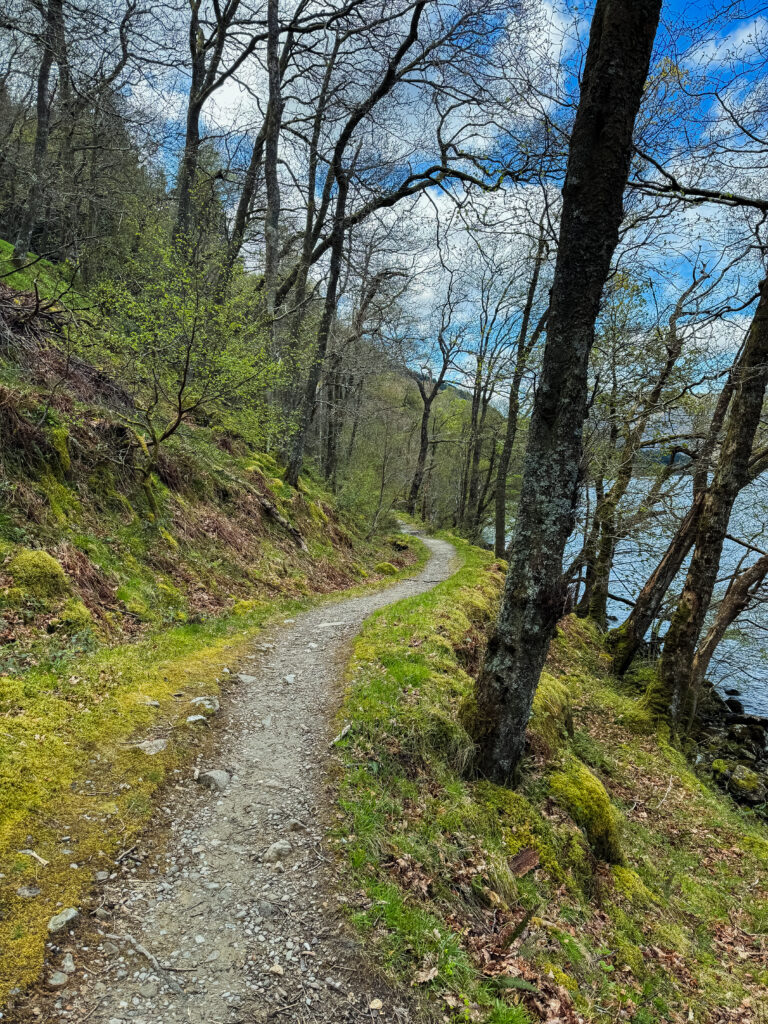
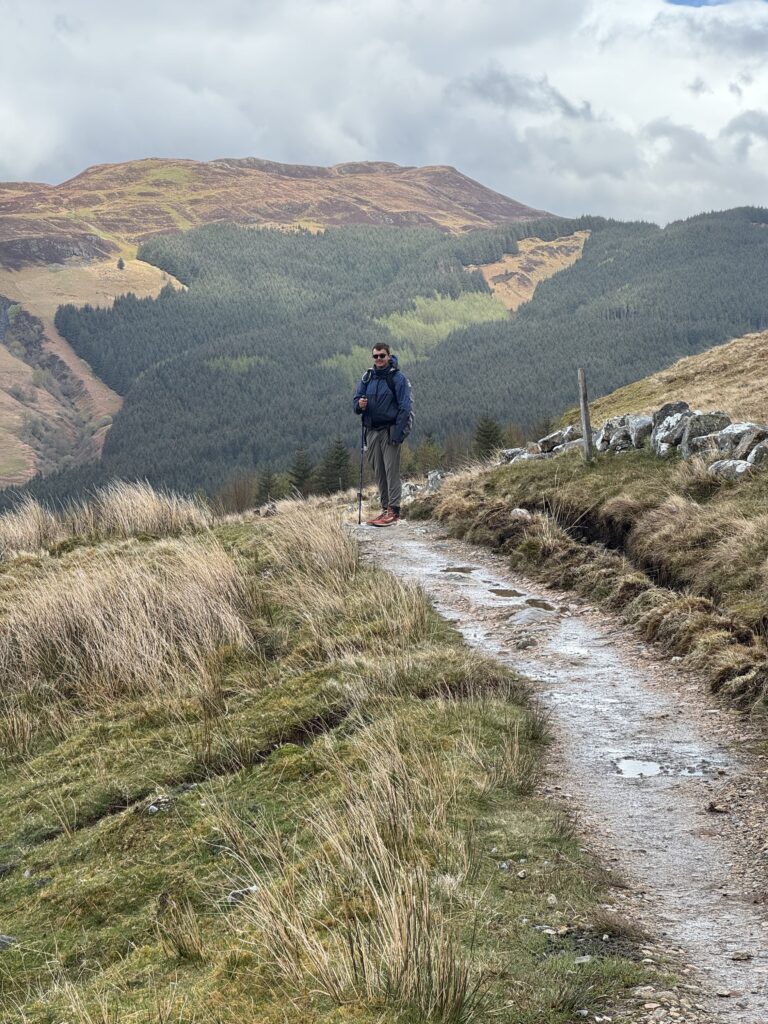
The southern sections feature gentle ascents through forests and along loch shores. The terrain around Loch Lomond is beautiful but can be technical in places, with rocky paths and tree roots requiring careful footing.
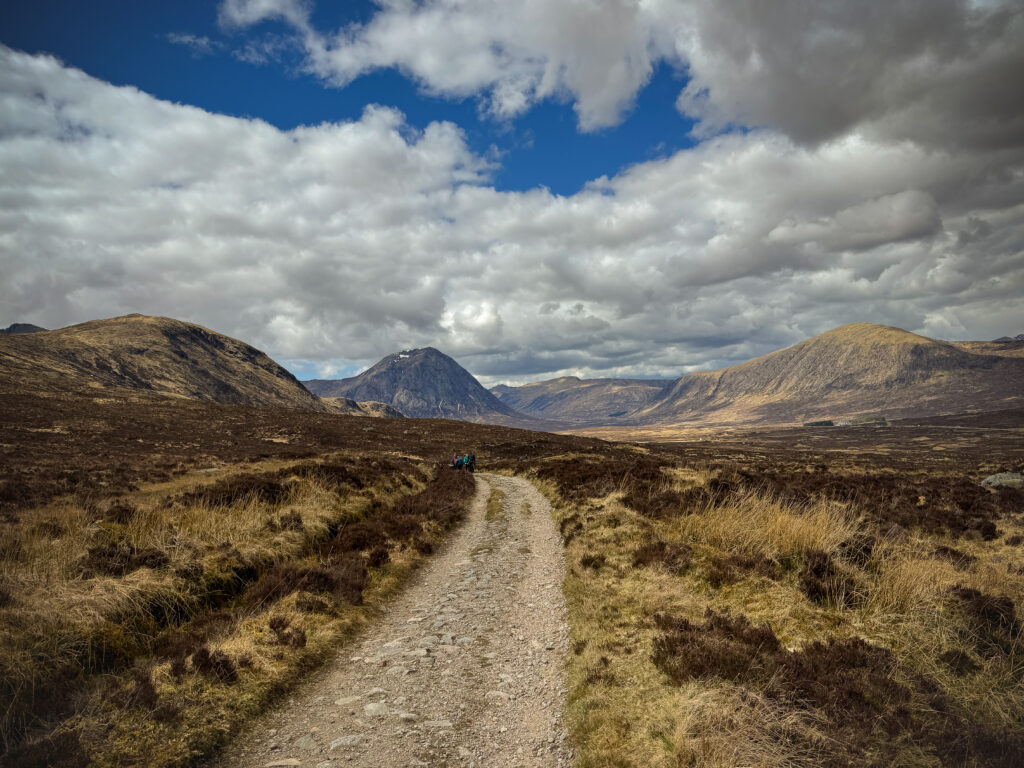
Everything changes at Rannoch Moor. This vast expanse of blanket bog is mostly flat, but the exposure to wind and weather can make it surprisingly challenging. The wide military road provides easy walking, but there’s nowhere to hide if conditions turn bad.
The Devil’s Staircase lives up to its dramatic name with a sustained climb to the trail’s highest point at 1,804 feet. The zigzag path is well-constructed, but after days of hiking, those switchbacks test your determination.
The final day’s steep climb out of Kinlochleven—the “second Devil’s Staircase”—might be even tougher simply because you’re already exhausted. The 15-mile distance combined with elevation gain and typically poor weather makes this the trail’s ultimate test.
Weather: The Highland Wild Card
We experienced the full Scottish weather spectrum. Day 1 blessed us with sunny skies and mild temperatures—perfect conditions that allowed us to fully appreciate the scenery from Milngavie through our Glengoyne Distillery stop and onward to Drymen.
Days 2 through 7 offered a mix of conditions, from the bright sunshine that made our lakeside rest at Loch Lomond so memorable to overcast but dry conditions across Rannoch Moor.
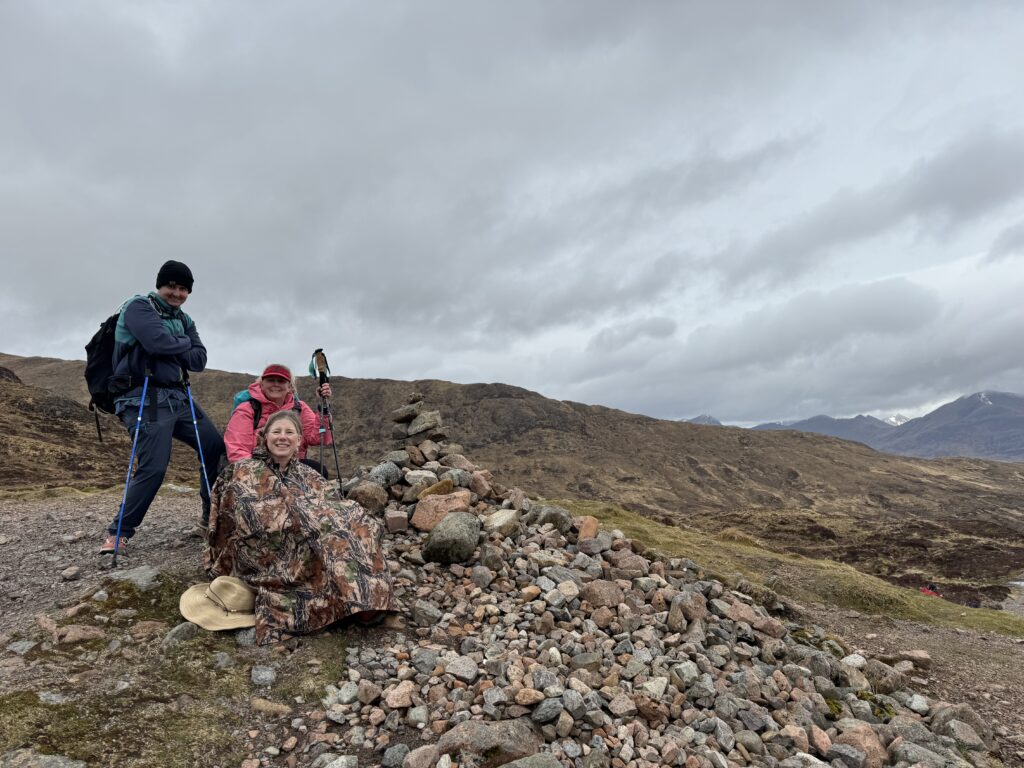
Then came Days 8 and 9, which reminded us why waterproof gear is non-negotiable in the Highlands. Light rain at the Devil’s Staircase summit was just a preview. Day 9 delivered gusty winds and persistent rain that didn’t ease until mid-afternoon. Eating lunch huddled under a tree while rain pelted down wasn’t glamorous, but it was authentically Highland.
My advice: Pack for the worst, hope for the best, and remember that there’s something oddly satisfying about conquering the trail despite what the weather throws at you.
Accommodations: Highland Hospitality
One of the unexpected joys of the West Highland Way was the quality and warmth of our accommodations. Each night brought new experiences:
Ashbank Bed & Breakfast (Drymen)
Ashbank Bed & Breakfast set the standard with their wonderful breakfast spread—those tattie scones and heather honey porridge were legendary. The friendly hosts made us feel immediately welcome.
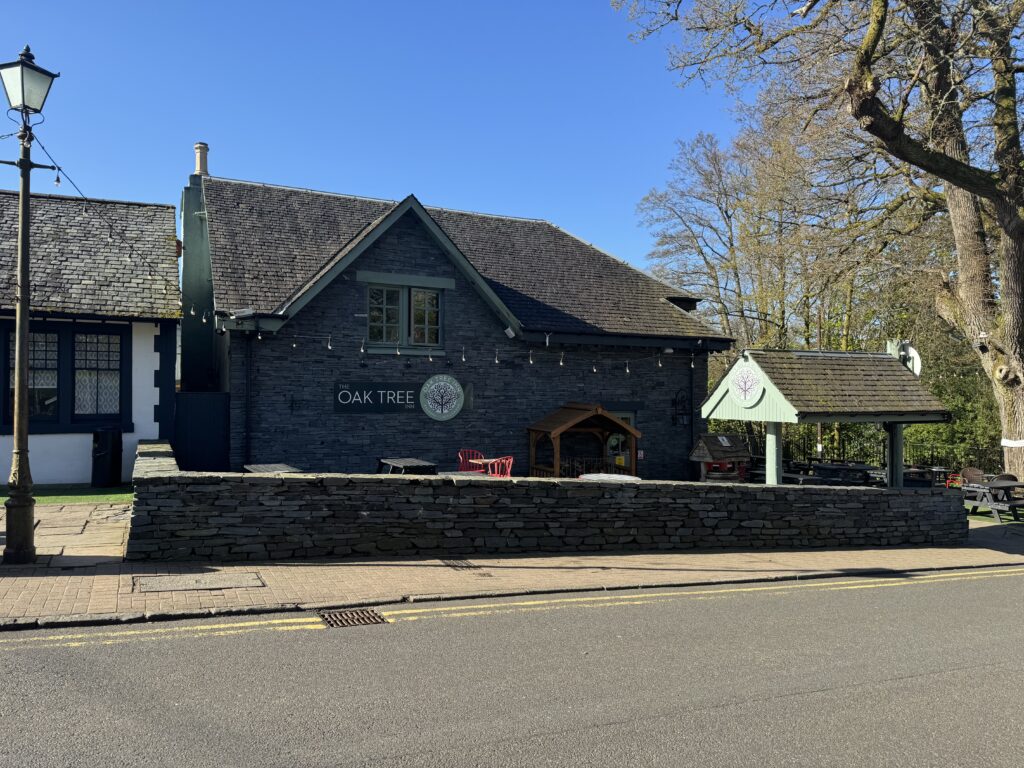
Oak Tree Inn (Balmaha)
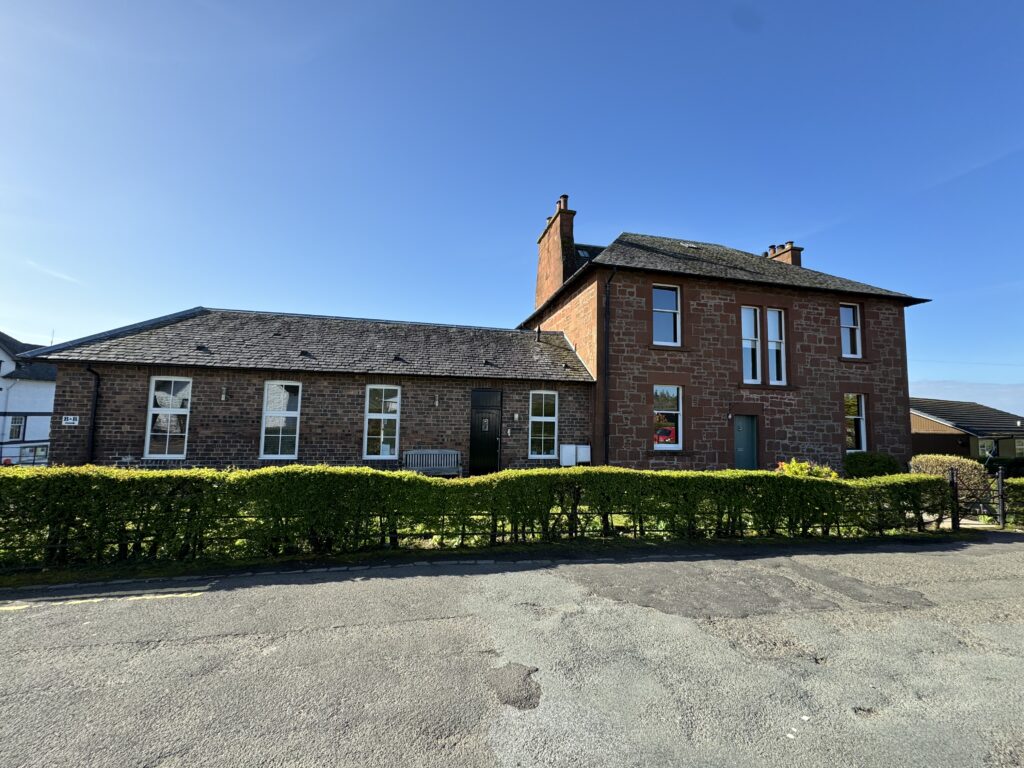
Oak Tree Inn offered the convenience of having everything in one place: our room, excellent meals, and those crucial lakeside relaxation hours while waiting for check-in. This family-run establishment has perfected the art of catering to West Highland Way walkers.
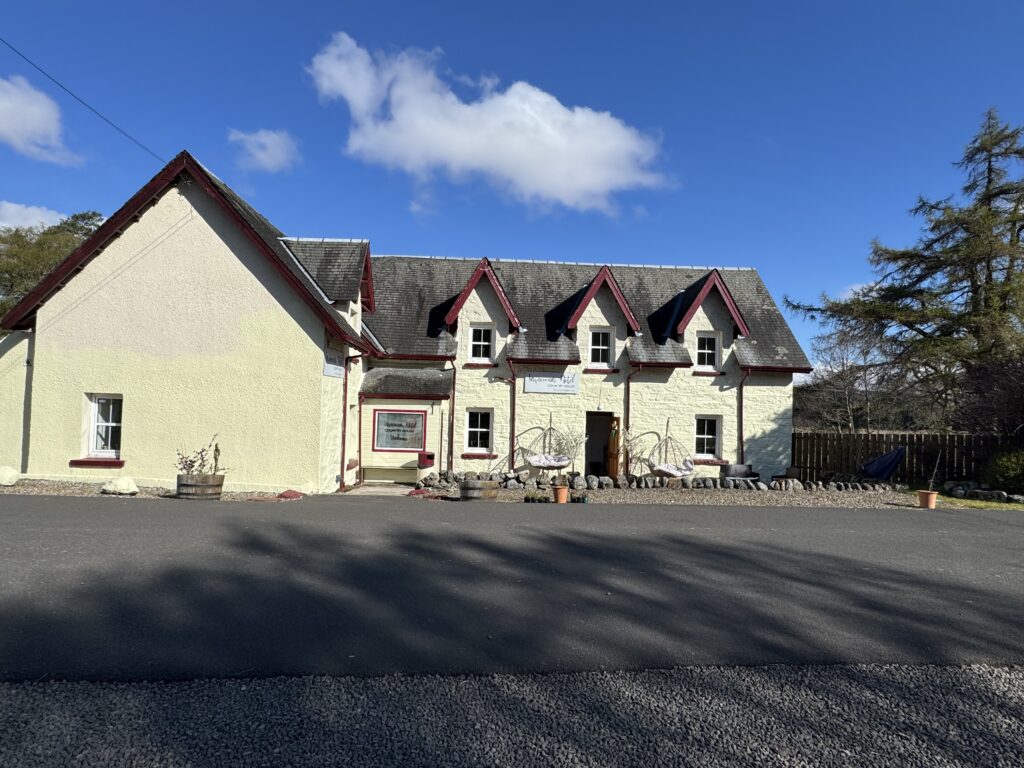
Dalkell Cottages (Tyndrum)
Dalkell Cottages provided a different experience with self-catering suites that felt like a home away from home. The welcome basket of Scottish treats and well-equipped kitchenette gave us options after long days on the trail.
Inveroran Hotel
Inveroran Hotel embodied old-world Highland charm. The rustic character, welcoming bar, and traditional Scottish dining created an atmosphere that felt authentically historic. You could imagine travelers seeking refuge here for centuries.
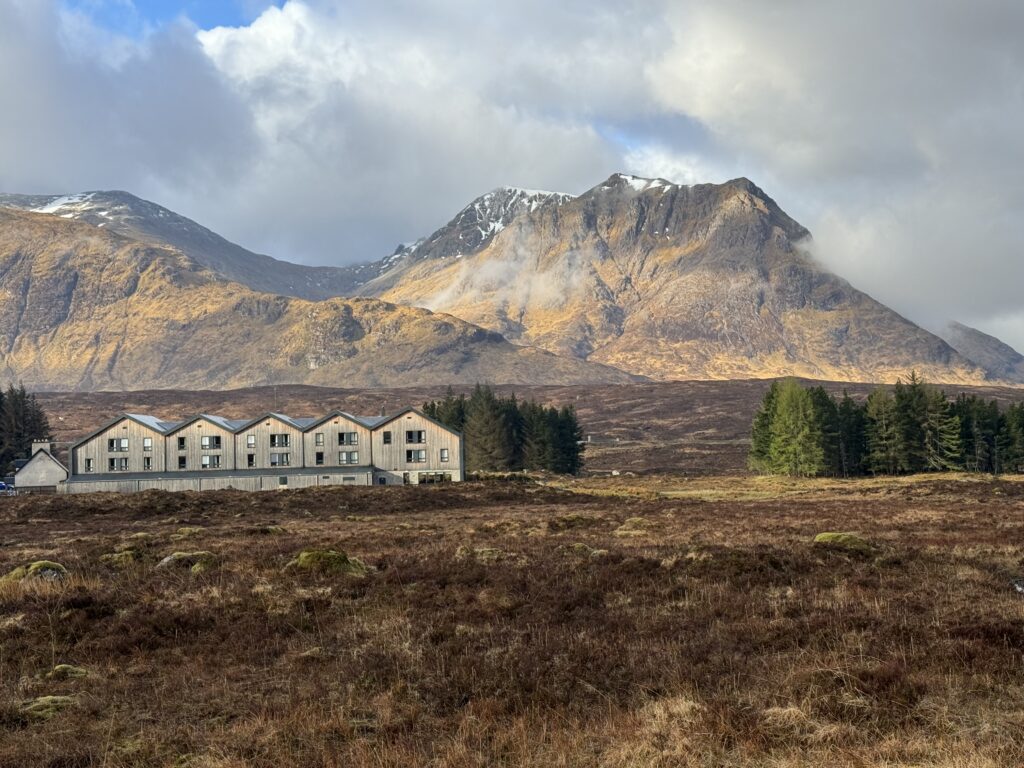
Kingshouse Hotel
Kingshouse Hotel stands alone at the edge of Rannoch Moor like a beacon for weary hikers. Its 400-year history is palpable, and the balance of historic character with modern comfort worked perfectly. The drying room for wet gear was especially appreciated.
Allt-na-Leven Guesthouse (Kinlochleven)
Allt-na-Leven Guesthouse might have been my favorite purely for the exceptional hosts. Their warmth, local knowledge, and attention to detail elevated the entire experience. The immaculate rooms and wonderful breakfast prepared us perfectly for our final, challenging day.
Guisachan House (Fort William)
Guisachan House provided the perfect finish. The staff’s willingness to prepare takeaway breakfasts and hot tea for our early departure exemplified the thoughtfulness we’d encountered throughout the trail.
Food & Drink: Fueling the Journey
The West Highland Way introduced us to Scottish culinary traditions while providing the substantial calories needed for long-distance hiking.
We tried fried haggis at the Beech Tree Cafe on Day 1—crispy outside, savory within, and absolutely delicious. It set the tone for embracing local specialties throughout the journey.
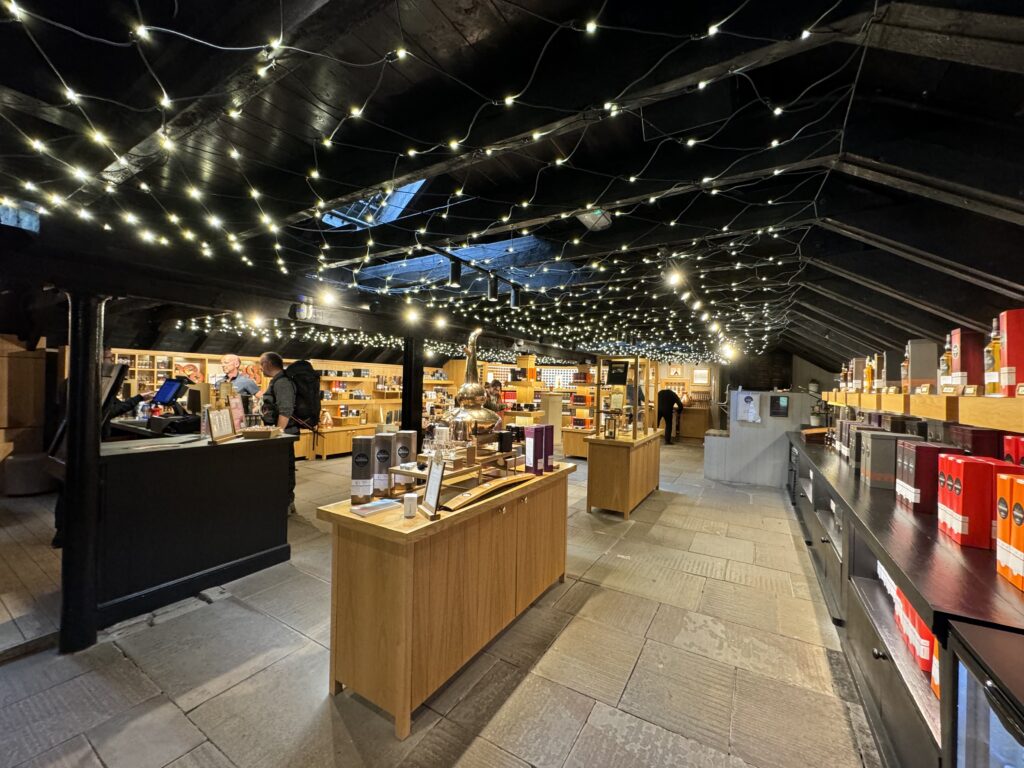
Glengoyne Distillery offered our first taste of Highland single malt, a cultural experience as important as any scenic vista. The Hotty Toddy at Bridge of Orchy Hotel on Day 8 proved that whisky, hot water, lemon, and honey create the perfect hiking restorative.
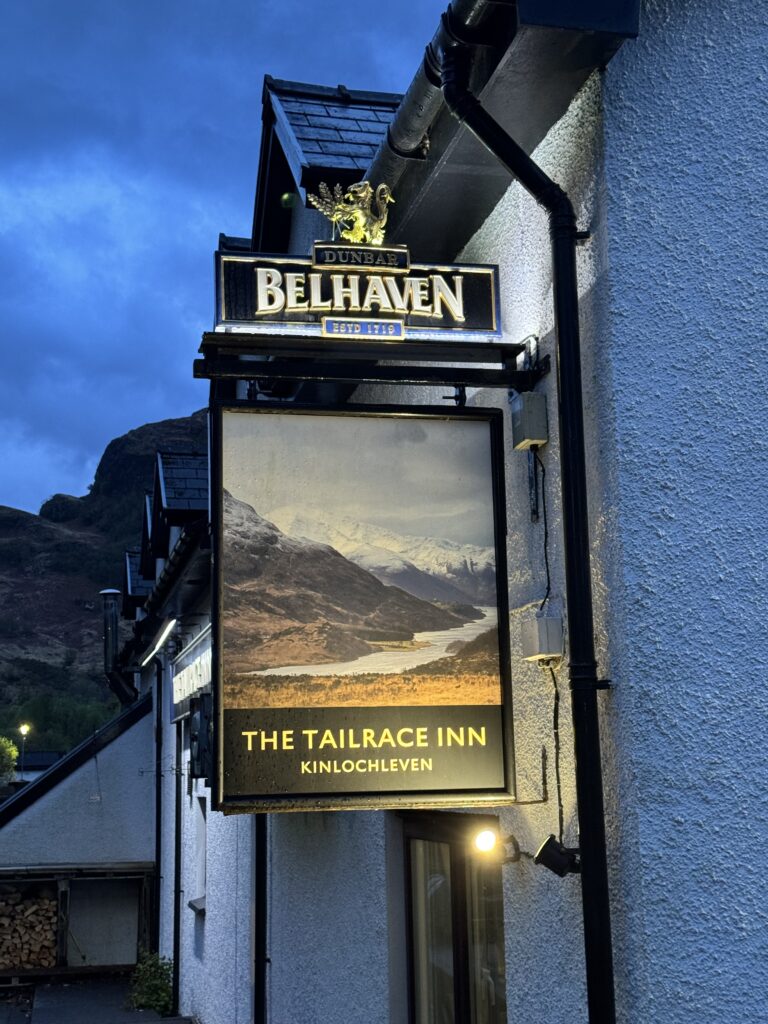
The Highland Getaway Cafe in Kinlochleven and the Tailrace Inn dinner showed how the former industrial town has transformed into a welcoming stop for outdoor enthusiasts. That evening at the Tailrace, with local craft beers flowing and trail stories being swapped, captured the camaraderie that develops among West Highland Way walkers.
The hearty venison stew at Kingshouse Hotel and the haggis, neeps, and tatties at Inveroran Hotel were exactly the comfort food we craved after demanding days. And who could forget that celebratory pizza and beer at Black Isle Bar in Fort William, where we toasted completing 96 miles?
Less formal but equally memorable: the Honesty Box ice cream in Gartness on Day 1, a charming example of rural trust that perfectly captured the spirit of our journey.
Cultural Moments: More Than Just Hiking
The West Highland Way isn’t just about covering distance—it’s about experiencing Scotland.
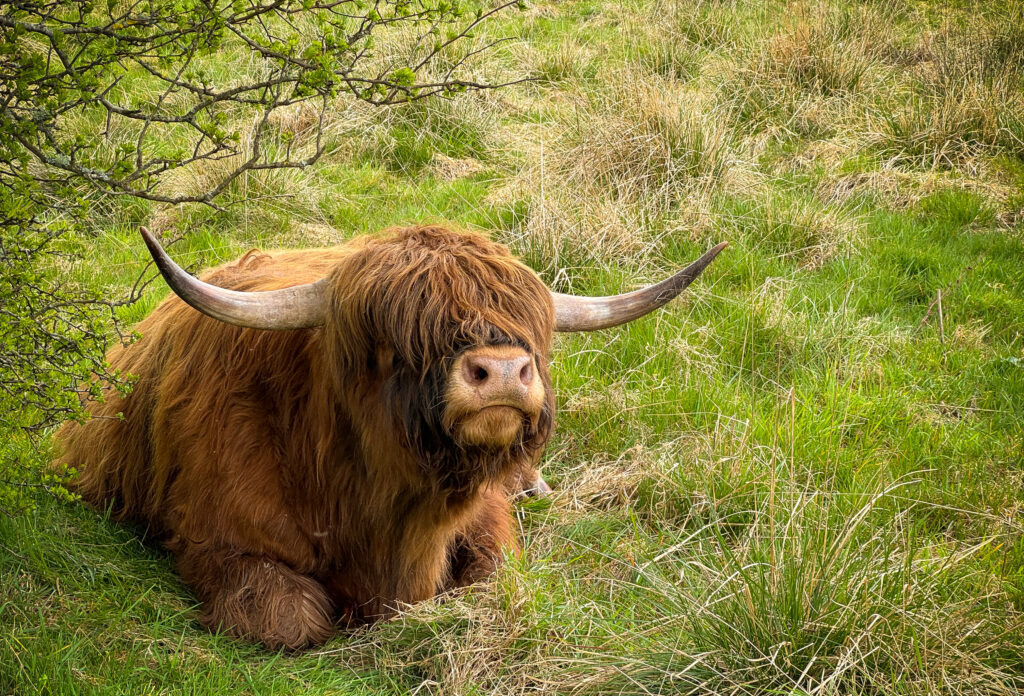
Encountering Highland cattle in a field after lunch on Day 1, their long shaggy coats gleaming in the sunshine, felt like checking off an essential Scottish experience. These gentle giants grazing peacefully against rolling hills could have come straight from a tourism poster.
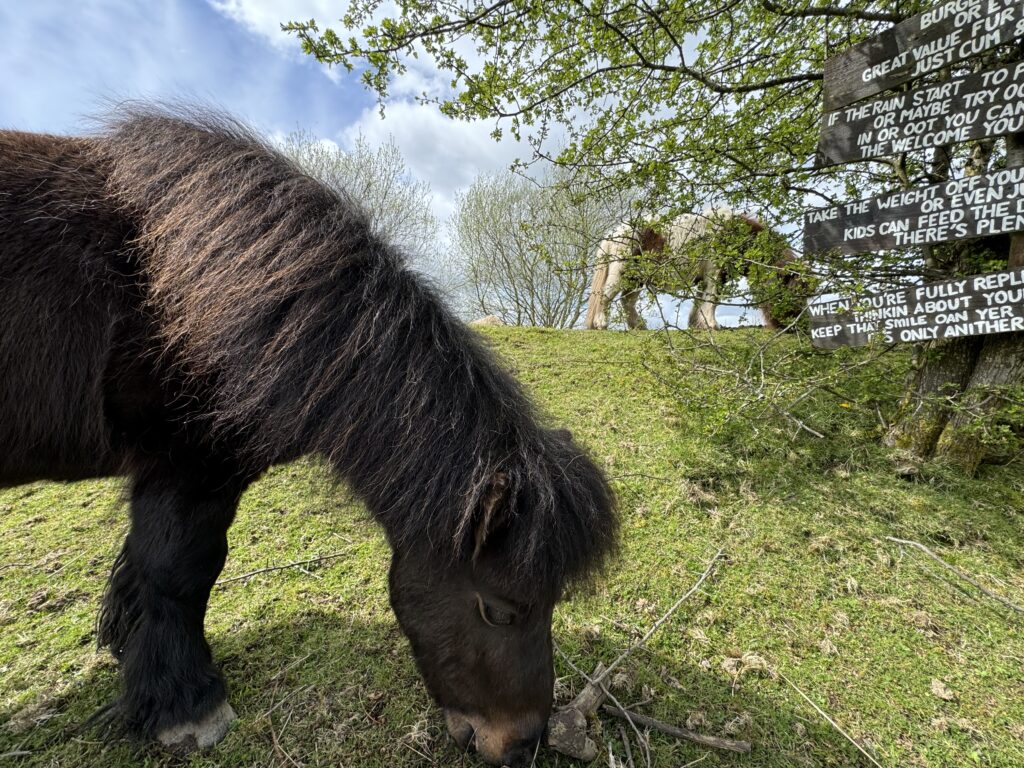
Walking through Strathfillan on Day 5, we connected with history. This glen, associated with Robert the Bruce, reminded us that we were following paths used for centuries by drovers, soldiers, and travelers.
Crossing Rannoch Moor was perhaps the most profound experience. This vast wilderness, largely unchanged for millennia, provided a sense of remoteness and scale that’s rare in modern Britain. The exposure and isolation made us feel genuinely small—in the best possible way.
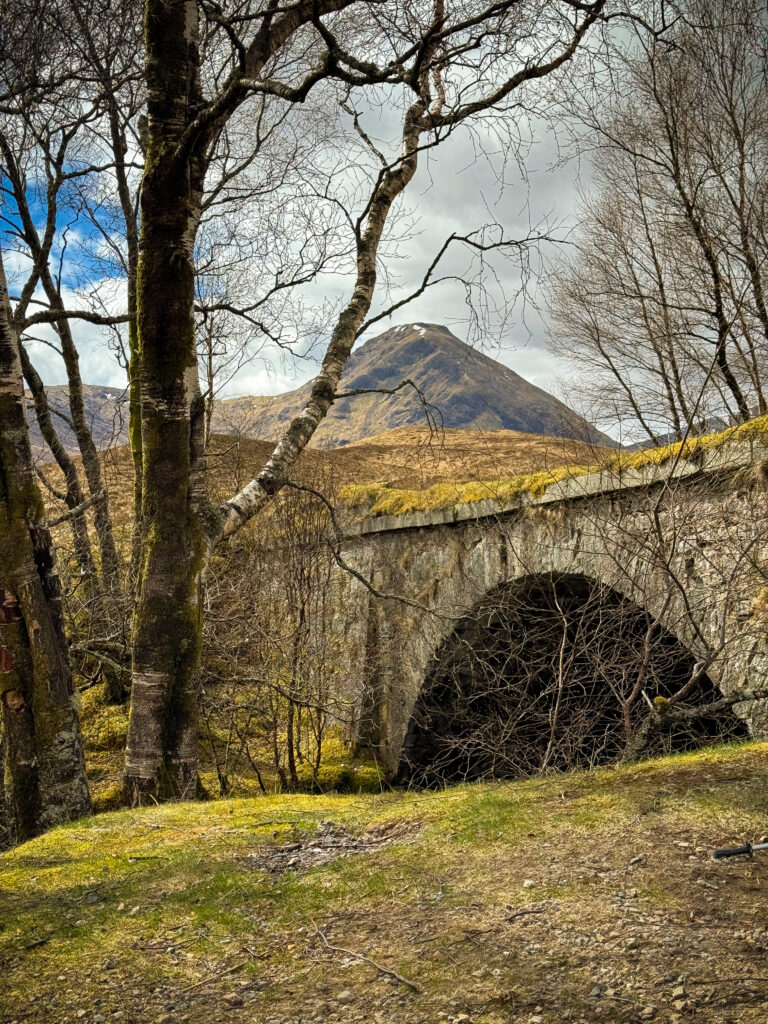
The Falls of Falloch, the old stone Rannoch Moor Bridge where we lunched by the river, and countless other natural features reminded us that Scotland’s true treasures aren’t in cities but in these wild spaces.
Challenges & Lessons Learned
Pacing Matters: Our early start on Day 8, grabbing quick snacks instead of a full breakfast to beat the rain over Devil’s Staircase, proved wise. Sometimes you need to adjust your routine to work with conditions rather than against them.
Shorter Isn’t Easier: Day 6’s 7-mile section from Tyndrum to Inveroran was one of our shortest, but don’t let distance fool you. The accumulated fatigue from previous days means even “easy” sections demand respect.
The Final Day Is Brutal: That 15-mile push from Kinlochleven to Fort William on Day 9, with its steep initial climb and persistent rain, was genuinely tough. Save some mental and physical reserves for this finale.
Weather Preparation Is Essential: We were glad for quality waterproofs on Days 8 and 9. Hypothermia is a real risk in the Highlands, even in summer. Pack proper gear and use it.
Take the Detours: Our alternative route due to Conic Hill maintenance on Day 2 led us through enchanting forests we’d otherwise have missed. Sometimes the unexpected paths are the most rewarding.
Social Aspects Matter: The camaraderie among walkers, the friendly hosts, and the welcoming pub atmospheres added immeasurably to the experience. This isn’t a solitary endeavor—embrace the community.
The Homeward Journey: Full Circle
Taking the train from Fort William back to Manchester provided unexpected closure. Watching the landscape roll past—mountains we’d climbed, glens we’d crossed, moorland we’d traversed—gave us a new perspective on our accomplishment. Nine days of walking compressed into hours of comfortable travel made the magnitude of our journey sink in.
Changing trains in Glasgow, navigating the city with our backpacks, we felt like different people from those who’d started in nearby Milngavie. The Cow Hollow Hotel in Manchester marked our return to normal life, but we carried Scotland with us.
Final Reflections: Why Walk the West Highland Way?
After 96 miles, sore feet, tired muscles, one rainstorm too many, and countless incredible moments, would I do it again? Absolutely.
The West Highland Way delivers on its promise of showcasing Scotland’s diverse beauty. From gentle lowlands to wild Highlands, from historic glens to remote moorland, from comfortable villages to isolated mountain passes—it’s all here.
But the real value isn’t just the scenery. It’s the challenge of pushing yourself day after day. It’s the rhythm that develops: wake, breakfast, walk, lunch, walk, dinner, sleep, repeat. It’s the simplicity of having just one goal: reach tonight’s destination, then tomorrow’s, then the next.
It’s the people you meet: fellow walkers from around the world, locals who’ve made Highland hospitality an art form, hosts who genuinely care about your experience.
It’s the moments of beauty that stop you in your tracks: Highland cows grazing peacefully, waterfalls tumbling over ancient rocks, lochs reflecting mountain peaks, the vast silence of Rannoch Moor.
It’s conquering challenges you weren’t sure you could: the Devil’s Staircase in the rain, that brutal final day, the accumulated fatigue of nine days of continuous hiking.
And it’s the profound satisfaction of standing at that finish point in Fort William, soaking wet and completely exhausted, knowing you walked every single mile from Milngavie under your own power.
Practical Advice for Future Hikers
Timing: We hiked in late April. Each season offers different experiences. Summer provides the longest days but busiest trails and midges. Spring and autumn offer fewer crowds but more unpredictable weather. We lucked out with the weather and we didn’t have any issues with midges.
Fitness: Train beforehand. We were reasonably fit but still felt the challenge. Practice hiking consecutive days with a loaded pack.
Gear: Invest in quality waterproofs, broken-in boots or trainers, and a comfortable pack. You’ll use all of them.
Accommodations: Book well in advance, especially for popular spots like the Oak Tree Inn and Inveroran Hotel. The West Highland Way is popular, and good accommodation fills up quickly.
Luggage Transfer: Consider using a luggage transfer service so you’re only carrying a day pack. Fresh legs make a huge difference over 96 miles.
Food: Take advantage of packed lunches offered by accommodations. Options can be limited on trail.
Flexibility: Build in a spare day if possible. Weather delays, injuries, or simple exhaustion might require adjustments.
Embrace It All: The rain, the challenges, the tired legs—they’re all part of the experience. The struggles make the achievements sweeter.
The Bottom Line
The West Highland Way isn’t the world’s most difficult long-distance trail, nor is it the most remote. But it might be one of the most perfectly designed introduction to long-distance hiking. It’s challenging without being dangerous, remote without being isolated, and beautiful without being monotonous.
For nine days, we lived simply: walking, eating, sleeping, and appreciating the stunning Scottish landscape. We tested ourselves physically and mentally. We embraced both sunshine and rain, easy miles and brutal climbs, comfort and discomfort.
And we finished with memories that will last a lifetime, photos that can’t quite capture the reality, and a deep appreciation for Scotland’s wild places and warm people.
If you’re considering the West Highland Way, stop considering and start planning. The trail is waiting, and I promise you—it’s worth every single step.
Check out my day to day West Highland Way recap here.
Have you walked the West Highland Way? What were your most memorable moments? Share your experiences in the comments below!